
The Link Between Exercise and Overcoming Addiction
August 29, 2025
1:51 am

Table of contents
Introduction
Can exercise help addiction?
Yes.
Sounds simplistic but it really can.
Addiction is a very serious illness that affects brain chemistry.
Exercise induces the brain to release the same chemicals as drug addiction.
In time, with exercise, you can achieve the same feeling as taking drugs: naturally.
Recovery is possible, with the right expert medical care, specialist therapy and the support of informed loved ones and friends.
Sadly, six out of ten people who get help for addiction will relapse within twelve months.
This alarming rate of relapse is something that researchers continue to examine to try and find new ways to prevent relapse.
One question they often ask is, can exercise help in overcoming addiction challenges?
Here at Find Me a Rehab we have experienced addictions clinicians who provide free 24 hour Rehab Advice. If you need Free Clinician Drug Advice we would be pleased to assist. All calls are treated in the strictest of confidence.
The science behind how Can exercise help addiction?
From this growing body of research there is increasing evidence that exercise can be a very effective component of recovery.
The conclusion from research indicates that exercise can be a positive alternative to using drugs and alcohol.
The reason for this is because both exercise and alcohol/drugs work on the same areas of the brain.
Both are involved in activating the reward channels in your brain.
When this occurs chemicals that make you feel good, serotonin and dopamine, are released.
Specific benefits
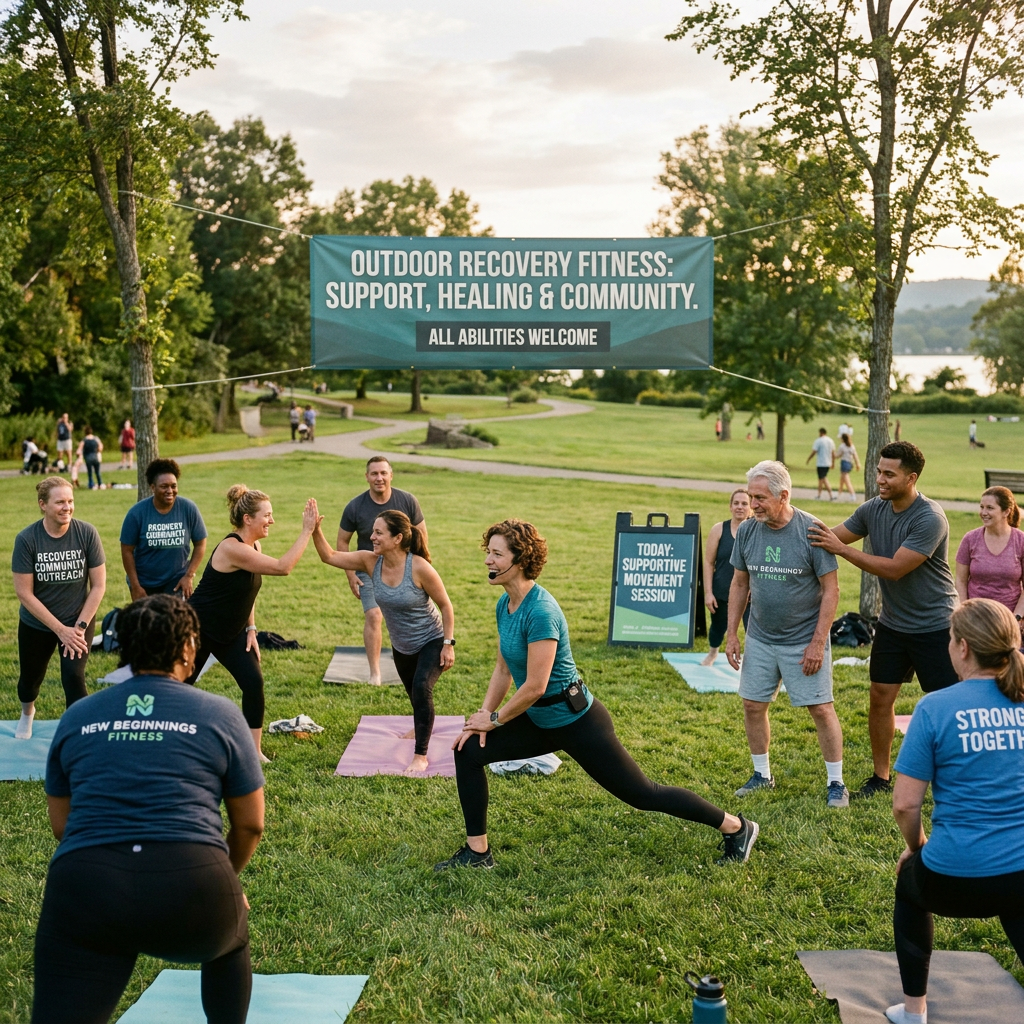
While more research is being conducted, the findings, so far, point towards exercise being able to provide the following for someone in recovery from addiction:
- Easier withdrawal: It is known if you exercise regularly you can reduce symptoms of anxiety, stress and depression. Sadly, all three are very common in addiction recovery. Left alone they can lead to relapse.
- Reduce cravings: Trying to overcome the thoughts of using in recovery can be very uncomfortable and all encompassing. Exercise can be a great help in distracting yourself from using.
- Avoiding triggers: Having a structured exercise routine gives you focus and purpose. It can also help to extend your social network. With this you reduce the risk of going to places that are connected with drug use and helps to avoid you coming into contact with people still using.
- Clearer thinking: By exercising regularly your mind is sharper and you can think more clearly. For many, the question remains: can exercise indeed help in preventing addiction relapses?
- Better sleep: It is very common for someone caught up in addiction to not be able to get a full nights sleep. Regular exercise can help someone in recovery to get to sleep quicker and stay asleep.
- Enhanced self control/self esteem: When you feel good about yourself it is easier to overcome your problems.
What type of exercise?
One of the first pieces of research into the link between addiction recovery and exercise showed that aerobic exercise and resistance training can be beneficial when recovering from addiction.
Currently, there is nothing to show which is better but research is ongoing.
Aerobic (cardiac) exercise is anything that gets your heart rate up for more than a few minutes, this can include:
Swimming
Walking
Running
Boxing
Hiking
Water aerobics
Dancing
Resistance training is something that works your muscles, this could be:
Digging the garden
Lunges
Squats
Push up’s
Sit up’s
Weighlifitng

Key Takeaways
- Addiction affects brain chemistry, and recovery requires expert care and support.
- Research shows exercise can help in recovery by reducing anxiety, cravings, and improving sleep.
- Both aerobic and resistance training have benefits for addiction recovery, but the best type is still under investigation.
- Getting started with exercise is crucial; aim for recommended activity levels for adults.
- Avoid over-exercising as it can lead to switching one addiction for another.
Where do I start?
Starting to exercise could be as straightforward as going for a walk.
What is important is to get started as soon as possible. If you need advice, you can talk to your GP, your addictions therapist or reach out to recovery groups in your local area.
Interestingly, you might ask them, “Can exercise effectively help overcome addiction issues?”
How many times a week should I exercise?
There is no definitive answer to this so the answer is to aim for the same amount of time that adults are recommended to exercise for.
On average, this should be two and a half hours of moderate exercise a week and one hour and fifteen minutes of intense exercise a week.
There are no hard and fast rules.
Anything is better than nothing!
Over exercising
Unless your GP advises you otherwise, regular exercise is generally safe for most people.
However, it is important not to overdo it as you run the risk of switching one addiction for another.
Researchers have found that those recovering from addiction may be hard wired to swap addictions.
Additionally, you may wonder if exercise alone can really aid in managing addiction recovery without swapping one dependency for another.
How can Find Me a Rehab help when thinking how Can exercise help addiction?
We are experienced addictions clinicians who have decades of experience of treating clients caught up in addiction in a variety of settings: prisons, NHS commissioned services, GP shared care clinics, 3rd sector and charity provision as well as private rehabs and local authority commissioned residential services and community outpatient services.
Our advice is free and confidential.
We never charge for initial consultations or referrals for residential treatment.
Getting help with understanding how Can exercise help addiction
Call, email or live chat with an experienced addictions clinician on any aspect of addiction, detox, rehab, home treatment, therapy, relapse prevention and aftercare.
Our clinicians can advise you on treatment plans, treatment options, locations, costings and logistics.
We only signpost to legally registered services.
Can exercise help addiction? Yes.
Need help finding the right rehab for you or a loved one? Get in touch today and take the first step toward recovery.
Speak to usRecent Posts
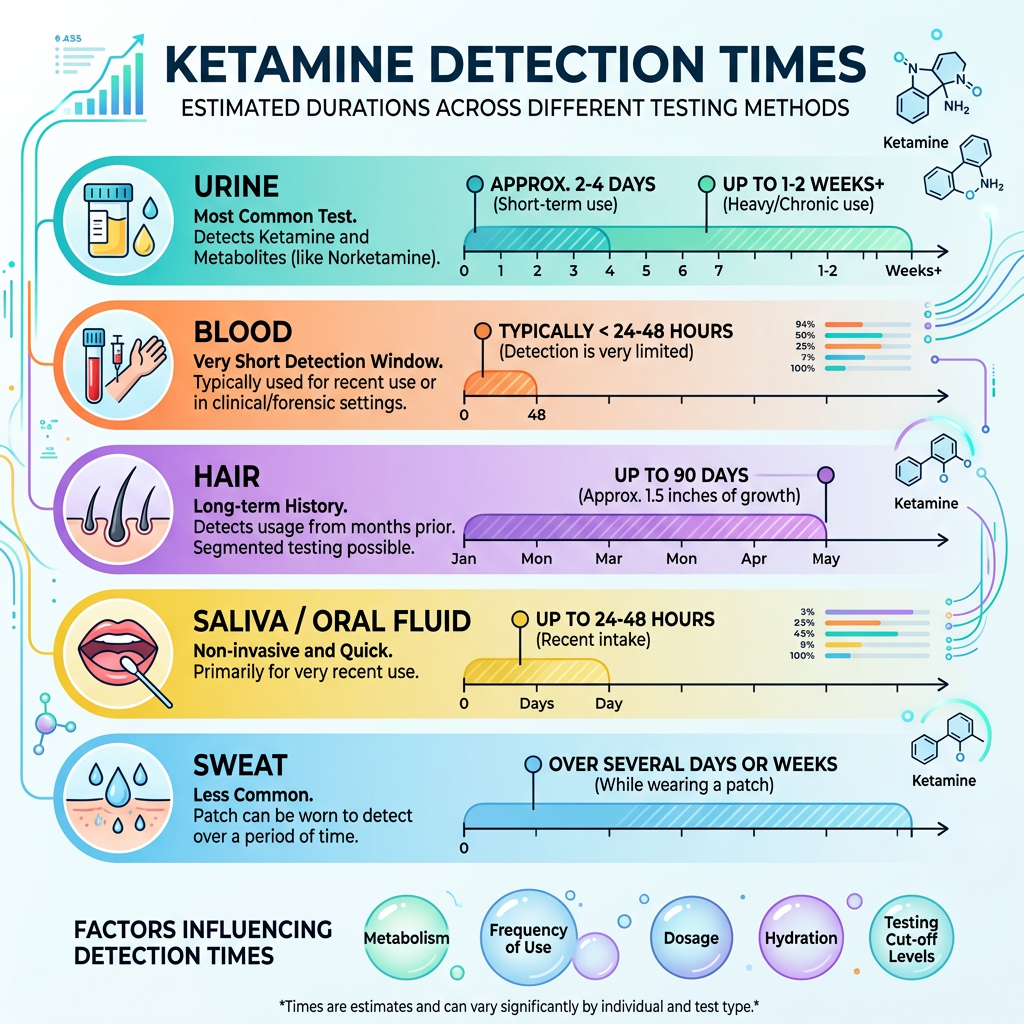
How long does Ketamine stay in your system?
How long does Ketamine stay in your system? As an experienced addictions clinician with over thirty years experience my question to that is: Why do you need to know? Is it because you are worried it will show up in a drug screen at work? Are you worried about being drug tested by the police…
Grace Kennedy
12:23 pm, July 2, 2026
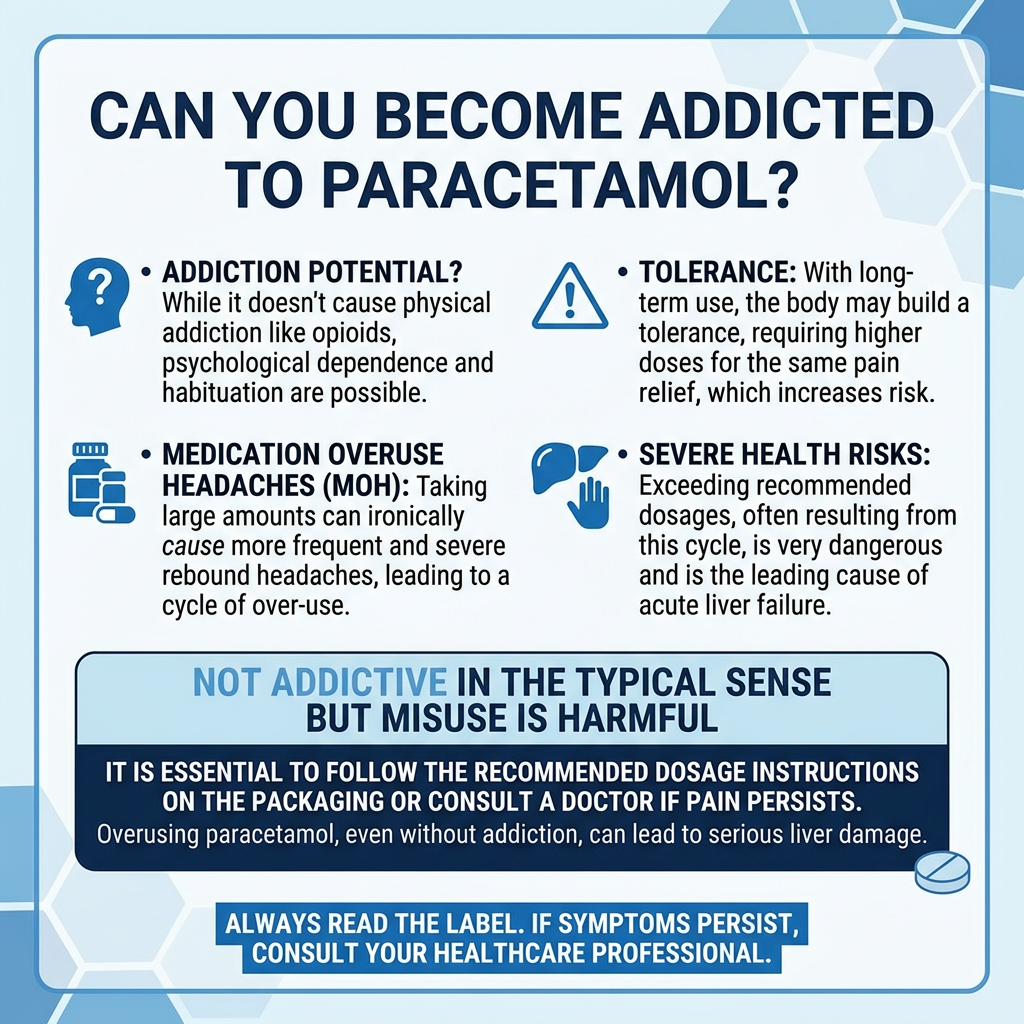
Can you become addicted to Paracetamol?
Can you become addicted to Paracetamol? No. Well not it in the same way you become addicted to heroin or alcohol as the way it affects the brain is different. That doesn't mean that some people are not addicted to taking it in the way that they take it, repeatedly. How does Paracetamol work? The…
Grace Kennedy
6:08 pm, June 26, 2026
Can you do a Methadone detox at home?
Can you do a Methadone detox at home? In theory: Yes. In practice: No. It is a nice idea that you can stay at home, take some methadone and your opioid use disorder is cured. Sadly it just doesn't work like that. In order to understand why this won't work you need to know what…
Grace Kennedy
6:49 pm, June 25, 2026