
What is the most addictive drug?
June 23, 2026
4:10 pm

What is the most addictive drug?
How long is a piece of string?
Different drugs do different things to different people.
That might sound vague but due to an individuals DNA, what might be problematic for one person may not be.
Some drugs, by the nature of how they work on receptors in the brain will be more problematic than others in how they affect the individual.
However, if you are trying to work out which drug will be less problematic than others if you take it, you are on the wrong path.
We are addictions clinicians.
Each of us has over thirty years of experience in assessing, diagnosing, prescribing for and treating people caught up in the madness of addiction.
Here we share our knowledge with you so you can make informed treatment choices.

Why are drugs addictive?
They aren’t.
It is not the drug that is addictive it is what happens in your brain if you stop taking them.
When you take drugs and/or alcohol they affect receptors on the brain in the same way prescribed medication is designed to do.
For example, if you had a mild allergic reaction to something you pop along to the shops and buy some antihistamines.
These tablets block the release of histamine which is what the brain releases when you react to dust, cat hair etc. This is why they are called anti-histamines.
Some drugs open up chemical channels and some close them down. Others partially open or close them, but let’s not get too technical!
There are many,many illegal drugs and it would be a very long and boring read if we were to list every single drug, how they affect the brain and what happens if you stop taking them. However, we will discuss a common one so you get an understanding: Heroin
Why is Heroin addictive and What is the most addictive drug?
As we said above, a drug, in itself, is not addictive.
The problems actually occurs when you stop taking it.
When you take opioid, including heroin, the drug activates the four opioid receptor sites on the brain leading to the blocking of any pain sensation. At the same time opioids trigger a dopamine release, the naturally occurring chemical responsible for increasing mood and making you feel positive.
After a time the brain adjusts to the constant presence of opioids so as to regulate dopamine release. Here is where the problem starts.
When the brain has adjusted to the presence of opioids it expects a constant supply.
If you stop taking opioids suddenly (or reduce the amount you take too quickly) the brain simply cannot cope with the instant change.
In time, the brain will be able to readjust but in the meantime, as it scrabbles to make adjustments incorrect chemical messaging occurs.
With opioid withdrawal, a naturally ocurring chemical called norepinephrine is affected.
When you take opioids, norepinephrine is activated to block pain signals. If you stop taking opioids, massive amounts of norepinephrine is released by a very small area of the brain known as the locus coeruleus.
it is this chemical that causes the symptoms known as withdrawal.
Thus symptoms known as withdrawals are actually the brains reaction to the removal of substances from receptors on the brain.
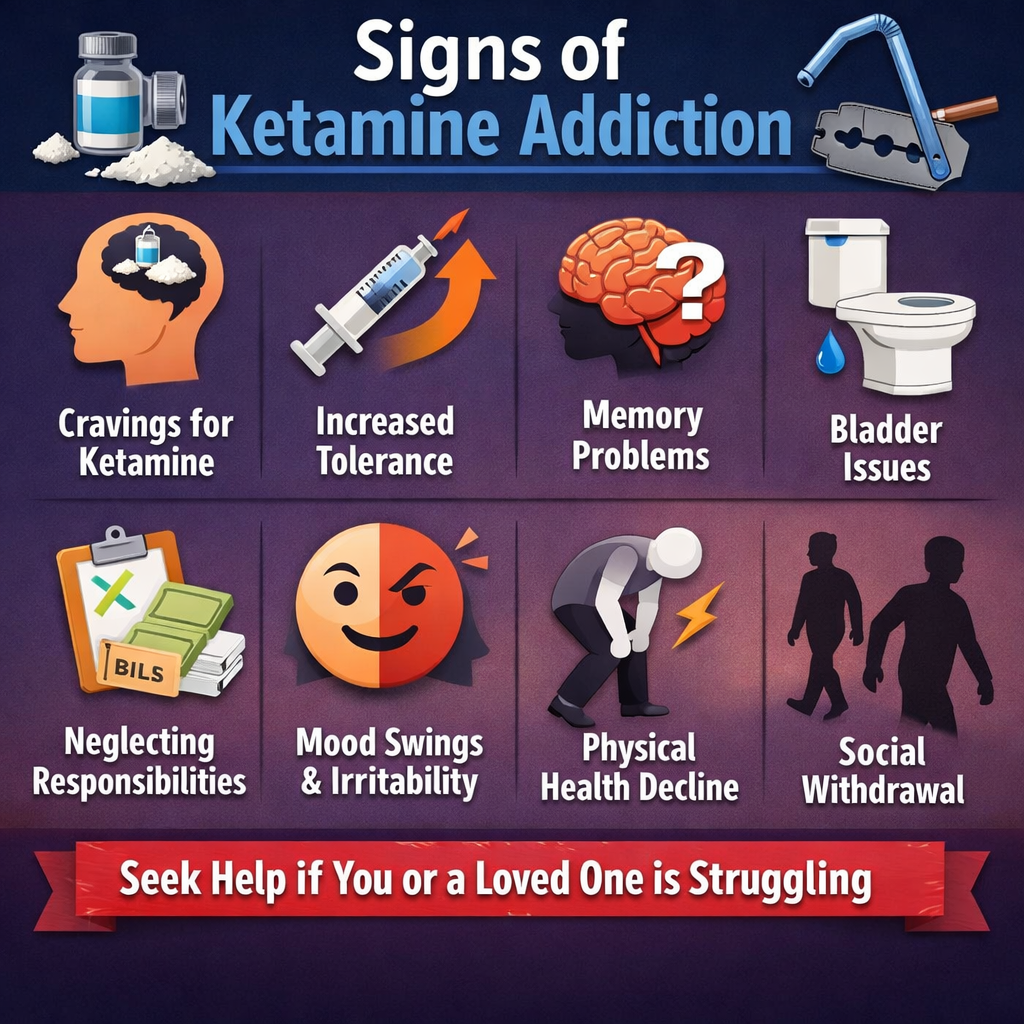
Cravings and addiction for What is the most addictive drug?
When your brain has made adjustments to the presence of a drug and/or alcohol, when you stop taking it, as described above, there will be chemical changes leading to physical symptoms. These are known as withdrawals.
The brain will tell you what you already know: If you take the substance you stopped taking the cravings will go away and you will stop the withdrawals.
This is known as cravings.
Timeline for cravings and withdrawals
When will withdrawals and cravings start?
That depends on the chemical composition of the drug you are taking.
Some drugs are longer acting than others.
Cocaine is a very short acting drug while heroin will take longer to withdraw from.
Other factors include how much you take, how you take them, how long you have been taking it for and your physical health, age, etc.
Why are some drugs more dangerous to withdraw from?
Some drugs, because of the way they work on receptors are more problematic if you stop taking them than others.
That, in no way, means some drugs are safe.
If you want to view drugs on a hierarchy of which are the most difficult to withdraw from without medical intervention then benzodiazepines and alcohol are very much at the top of the pyramid. They both work on the same receptors.
Essentially, drugs which have a longer effect are more difficult for the brain to cope with when you stop taking them suddenly (or reduce too quickly).
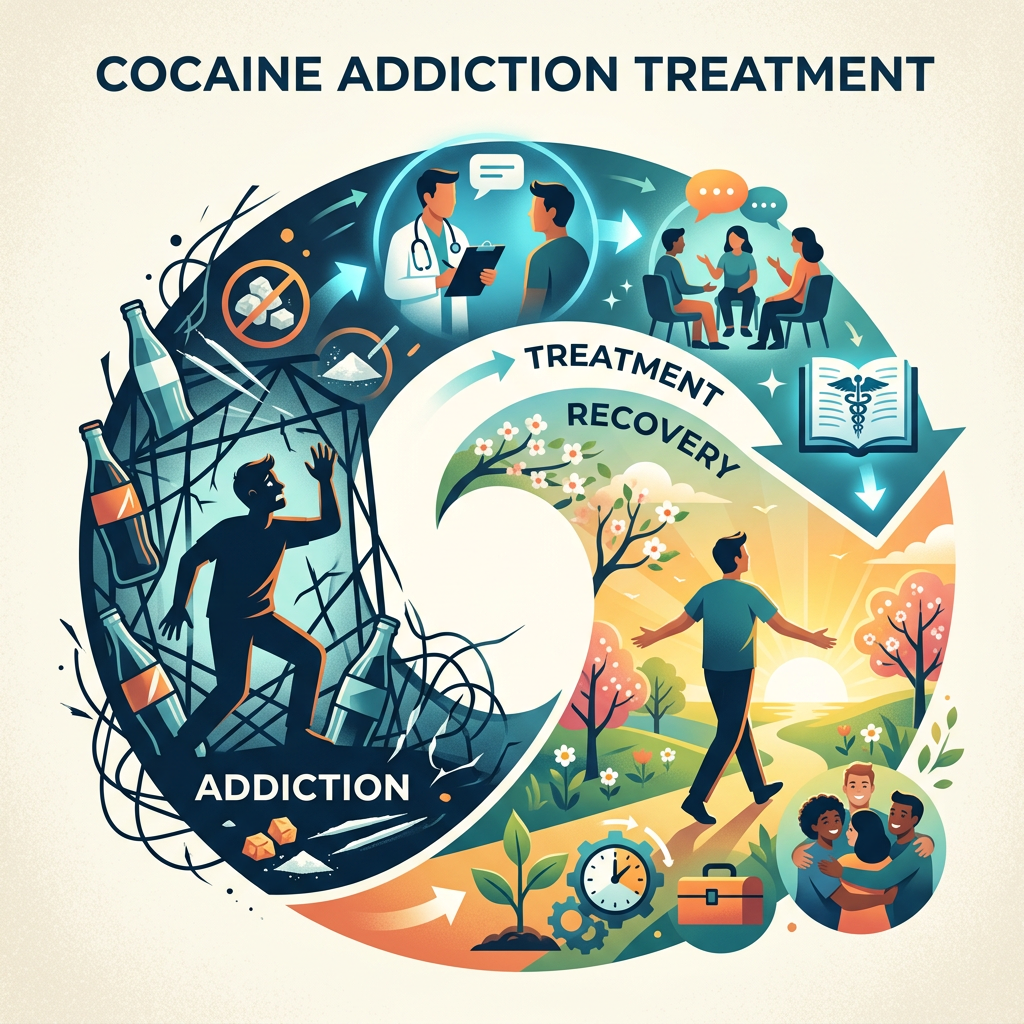
The science of detox for What is the most addictive drug?
In essence, there are two types of detox: Substitute prescribing and adjunctive.
Substitute prescribing is used when a medication exists that can mimic the effect of the drug/alcohol you are taking so that the brain does not have to react to you stopping.
Adjunctive is where there is no substitute medication but it is not safe to simply just stop taking the drug without treatment.
A good example of this is cocaine and ketamine.
These are short acting drugs and there is no substitute prescription available. Instead adjunctive medication is used to ensure a safe withdrawal.
For example, Ketamine withdrawal can be , at best, uncomfortable and, at worst: fatal without medical intervention.
Why can’t I just go cold turkey?
Why? Because it can be fatal.
Alcohol and benzodiazepine withdrawal, without medical intervention (substitute prescribing) can be extremely dangerous and can, very quickly, lead to fatality.
The old adage that heroin withdrawal can be gone through with just a bucket, some toilet roll and a bottle of water simply isn’t true. It can easily be fatal due to dehydration from diarrhoea.
Cold turkey also provides the perfect opportunity for someone to be overwhelmed by cravings.
This leads to overdose.
Accidental overdose for What is the most addictive drug?
When you stop using drugs and alcohol suddenly (or reduce too quickly) your brain simply can not cope with the immediate change.
Your brain tells you what you already know: If you start taking drugs/alcohol again you will feel better.
Cravings are the brains way of trying to get you to start taking again.
The problem is that when you stop using your brains ability to process drugs and alcohol reduces: Very quickly.
This means that if you use, you will most likely take an amount you think you need to settle yourself. Herein lies the problems.
Because your brain loses it ability to process the drug when you stop using, if you give in to cravings the amount you take could lead you to overdose: by accident.
Forget what you see on television. Emergency drugs to deal with overdose have limited uses and can require multiple doses. They are only part of the intervention needed.

How can Find Me a Rehab help with What is the most addictive drug?
We are addictions clinicians.
Each of us has over three decades of experience in assessing, diagnosing, prescribing for and treating people caught up in addiction.
Between us, we have worked in most of the rehab centres in the UK.
Our advice is free and confidential.
We never charge for advice or referalls.
If you want an answer to the question: What is the most addictive drug? Get in touch.
Get help: Today for What is the most addictive drug?
Call, email, livechat or Whattsap one of our addictions clinicians on any aspect of addiction, detox, rehab, home treatment, therapy, relapse prevention and aftercare.
We can advise on treatment options, treatment plans, locations, costings , logistics and availability.
We only signpost to legally registered services.
What is the most addictive drug?
No. The question is: How do I get the right help?
Need help finding the right rehab for you or a loved one? Get in touch today and take the first step toward recovery.
Speak to usRecent Posts
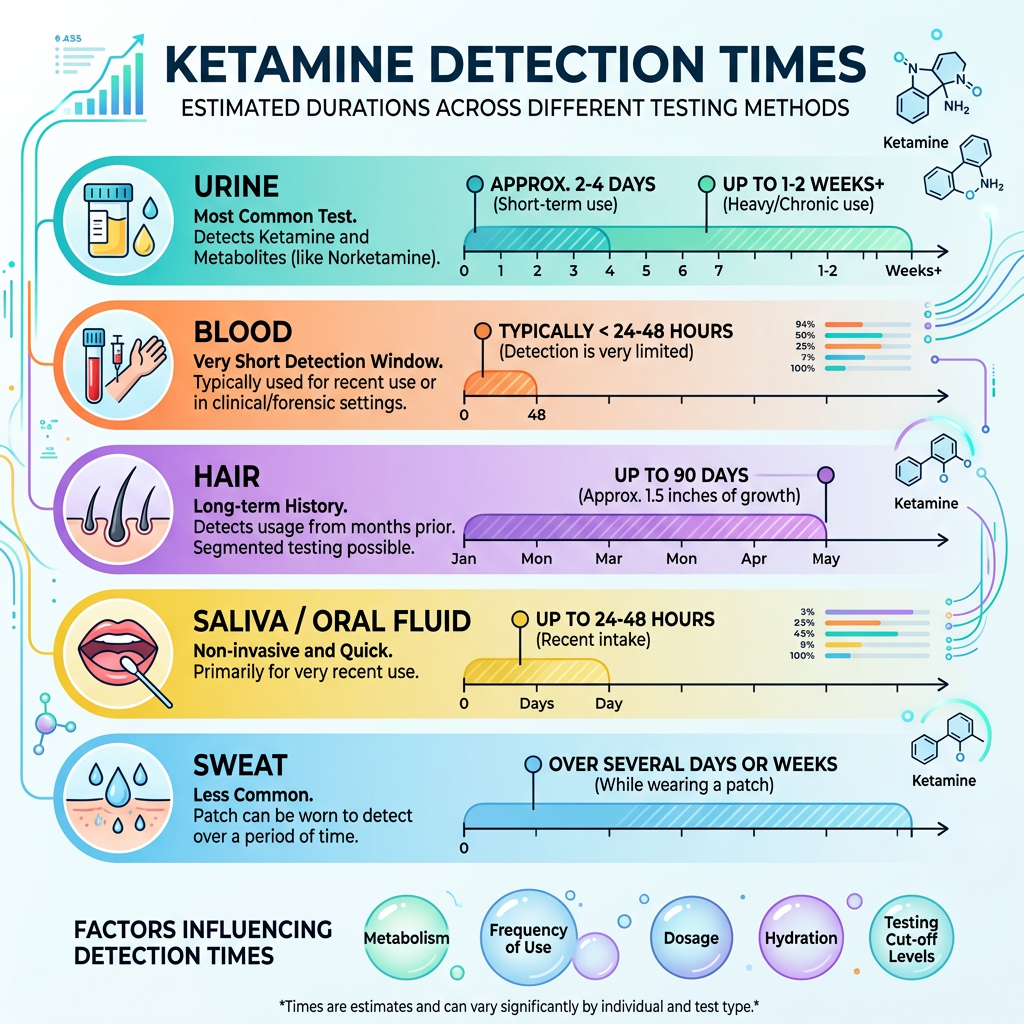
How long does Ketamine stay in your system?
How long does Ketamine stay in your system? As an experienced addictions clinician with over thirty years experience my question to that is: Why do you need to know? Is it because you are worried it will show up in a drug screen at work? Are you worried about being drug tested by the police…
Grace Kennedy
12:23 pm, July 2, 2026
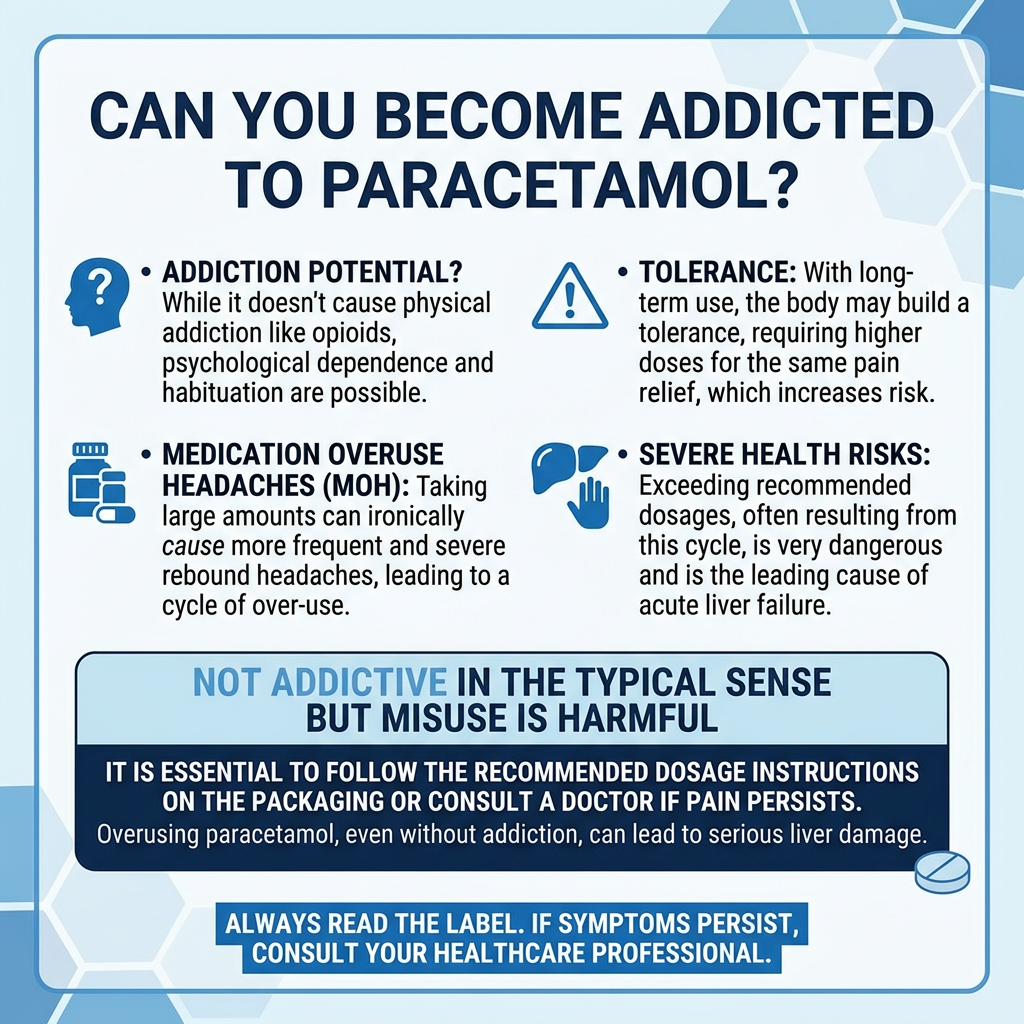
Can you become addicted to Paracetamol?
Can you become addicted to Paracetamol? No. Well not it in the same way you become addicted to heroin or alcohol as the way it affects the brain is different. That doesn't mean that some people are not addicted to taking it in the way that they take it, repeatedly. How does Paracetamol work? The…
Grace Kennedy
6:08 pm, June 26, 2026
Can you do a Methadone detox at home?
Can you do a Methadone detox at home? In theory: Yes. In practice: No. It is a nice idea that you can stay at home, take some methadone and your opioid use disorder is cured. Sadly it just doesn't work like that. In order to understand why this won't work you need to know what…
Grace Kennedy
6:49 pm, June 25, 2026