
Is Ketamine an opioid?
June 19, 2026
4:45 pm
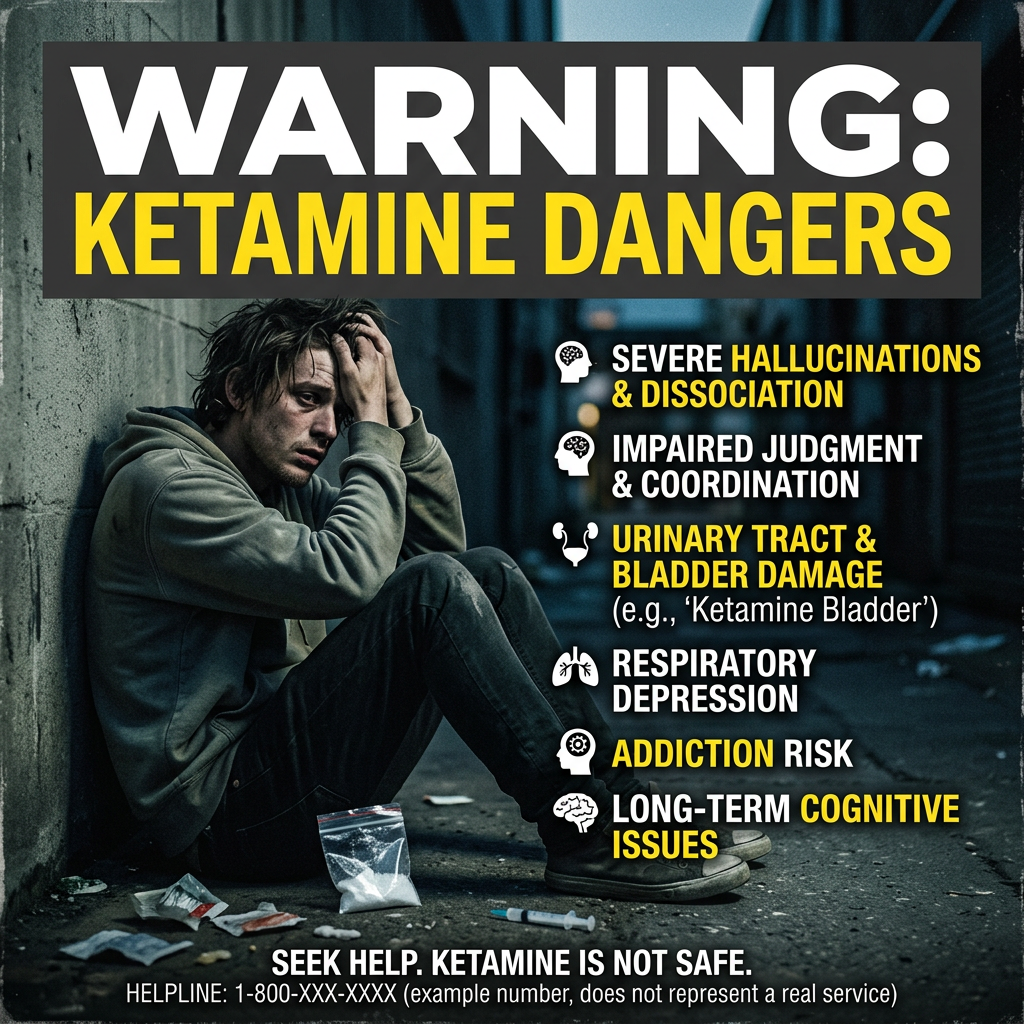
Table of contents
- What is Ketamine and Is Ketamine an opioid?
- How do you take Ketamine?
- I heard Ketamine is used to treat depression and PTSD?
- How does Ketamine make you feel?
- What about the negative effects of taking Ketamine?
- What about the long term effects of using Ketamine?
- Why is Ketamine addictive?
- What happens if I suddenly stop taking Ketamine?
- Is there a detox for Ketamine?
- What about a home detox for Ketamine?
- How can I recover fgrom Ketamine addiction?
- Group therapy is the key
- Relapse prevention for Is Ketamine an opioid?
- Aftercare for Is Ketamine an opioid?
- How can Find Me a Rehab help?
- Get help today with Is Ketamine an opioid?
Is Ketamine an opioid?
No!
End of blog.
Well, not quite! Opioids lead to addiction and physical health problems and can also lead to fatality.
Ketamine is an anaesthetic and prolonged use also leads to addiction, health problems and can also, sadly, lead to a fatality.
As easily available as opioids Ketamine is very widely abused and it’s use is becoming very serious.
Young people, in their twenties, with permanent catheter bags because of Ketamine use is not a good look.
Ketamine abuse kills.
It is not a “party” drug.
We are addictions clinicians.
Each of us has over three decades experience in assessing, diagnosing, prescribing for and treating people caught up in addiction.
Let us share our knowledge and experience here with you.
We never charge for advice or referrals.
If you have questions on Is Ketamine an opioid? read on.

What is Ketamine and Is Ketamine an opioid?
The short answer? An anaesthetic.
A short acting, dissociative anaesthetic that is used by roadside medics and in A+E for rapid sedation and pain management.
Because of it’s potency it is often used by vets, especially on large animals , especially by vets at safari parks and nature reserves in Africa.
How do you take Ketamine?
Ketamine can be sold in a liquid or powdered form. It can also be produced in pill form.
It can be swallowed in liquid or tablet form, snorted in powder form (or crushed tablets) and injected in liquid form or by crushing tablets/using powder.
By injection, it works very quickly, as it does if you snort it.
I heard Ketamine is used to treat depression and PTSD?
Yes.
However the doses given are minute by comparison to the amounts taken when bought on the street.
The drug, itself, doesn’t cure depression on PTSD but is used to enhance the effects of psychotherapy.
Simply taking Ketamine will not cure depression or PTSD.
How does Ketamine make you feel?
Within twenty minutes of taking it and for up to an hour, Ketamine will make you feel very detached from reality.
Users describe the feeling as being “chilled out”. It will also make you feel numb so you won’t experience any pain.
Most users describe feeling very happy when under the influence of Ketamine.
What about the negative effects of taking Ketamine?
While everyone responds differently to Ketamine due to their DNA, it is common for people to experience the following when taking Ketamine:
- Extreme tiredness
- Confusion
- Lack of co-ordination
- Dangerously high blood pressure
- Fast heart beat
- Slurred speech
- Double vision
- Anxiety
- Panic
- Vomiting
- “K-hole” (Very intense detachment from reality: more common at high doses)
What about the long term effects of using Ketamine?
Again, everyone responds in different ways depending on their DNA, physical and mental health, how much Ketamine they take, how long they have been using it for and how they take it.
However, common long term effects are:
- Increasingly difficult comedowns
- Damage to internal organs leading to chronic stomach cramps
- Seizures
- Dangerously high blood pressure and heart rate
- Lung damage
- Chronic cystitis
- Blood clots when passing urine
- Damage to the nose (if snorted)
- Loss of smell
- Chronic skin infections , muscle and vein damage (if injected)
Key Takeaways from Is Ketamine an opioid?
- Ketamine is not an opioid, but it can lead to addiction and severe health issues.
- It is used medically as an anesthetic, yet it is often abused recreationally.
- Abusers may experience dangerous side effects, including high blood pressure and extreme confusion.
- Long-term effects can include organ damage and chronic pain, highlighting its addictive nature.
- Support and recovery options exist, including therapy and aftercare for those seeking help.

Why is Ketamine addictive?
As with most illegal drugs, prescription medications and alcohol, when you take Ketamine it has an effect on the brain. After all, that is what it is designed to do.
If you use it continuously, your brain will change the way it works so as to maintain stability.
This means you have reached a stage known as physiological tolerance.
When this happens you will need ever increasing amounts of Ketamine to have the same effect as the amounts you used when you first started taking Ketamine.
Due to it’s chemical composition, Ketamine withdrawal starts very quickly.
Within three hours 50% of the Ketamine sitting on your brains receptors will have gone. Within 12 hours: 100%.
This will lead to withdrawals.
As you will see Is Ketamine an opioid? No. The effects of opioid use and withdrawals from it are wholly different.
What happens if I suddenly stop taking Ketamine?
If you stop, suddenly, or reduce too quickly, you are very likely to experience acute withdrawals.
Usually these come in four phases:
- First 24 hours where you will not be able to sleep. Your mood will crash and your anxiety will spike
- First 48 hours This is the most difficult period. Your mood will be very low and you will experience extreme cravings. If you had any bladder problems they will become worse as the pain and anaesthesia elements of Ketamine go.
- First week Things will start to improve. The cravings will come and go. You will still feel tired but your sleep should improve.
- Week two and beyond There will still be some residual symptoms, especially with fatigue.
Is there a detox for Ketamine?
No. Well at least not in the same way you would have a detox for alcohol or heroin.
There is no substitute that can be prescribed so what is used is adjunctive medication to relieve the symptoms of wiithdrawal.
This medication would be used to control your escalating blood pressure, fast heart beat at anxiety as well as help you sleep.
Medication need only last a few days but can be essential in getting you through.
Without medication, some people can experience an acute medical emergency.
While rare, unassisted withdrawal can be fatal.
Usually medication is prescribed on an “as and when needed” basis.
What about a home detox for Ketamine?
No.
This would never be clinically safe.
The only way this could be done, in a home environment, would be with 24/7 specialist nursing cover and close contact with a clinician.
The cost would be far in excess of residential treatment.
How can I recover fgrom Ketamine addiction?
Recovery is possible.
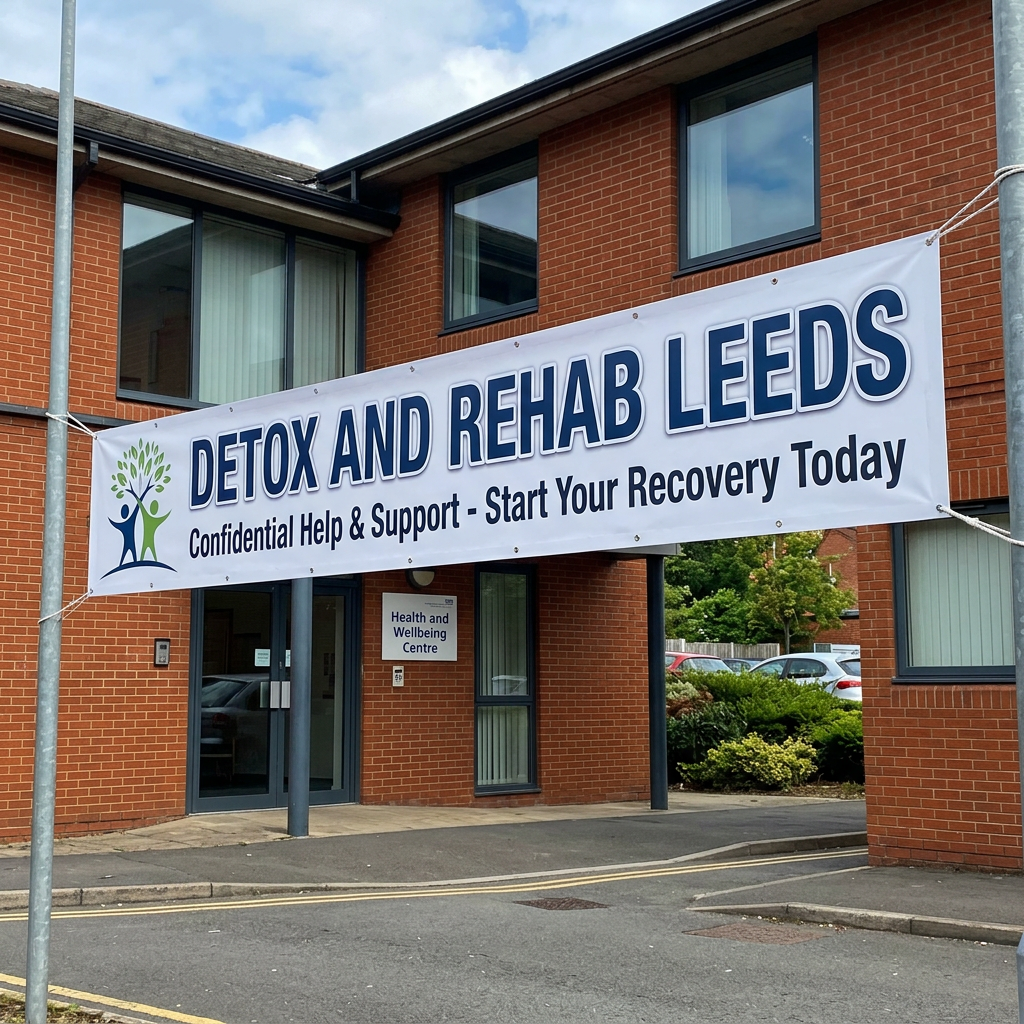
Rehab gives you the four essential elements needed for recovery: Medicated assisted withdrawal (detox), therapy, relapse prevention/emotional regulation skills and aftercare.
Addiction is a symptom.
People do not take drugs out of choice but in an attempt to relieve the psychological pain and suffering they are enduring. Sometimes they take them for physical pain: or both.
Therapy allows you to take the lid of those painful thoughts and memories you have been burying.
Many people, who go into rehab, have untreated mental health conditions such as low mood and anxiety.
Therapy addresses these issues.
Group therapy is the key
Don’t be put off by group therapy.
Why?
Because it works.
For nearly 100 years, group therapy has been the mainstay of rehab treatment. While there are different models, which one your centre follows really is not important.
Worrying about what model of group therapy is used is time wasted.
Individual therapy is provided, with one session a week. Anymore than one session a week is counterproductive as one to one therapy is incredibly draining.
Relapse prevention for Is Ketamine an opioid?
Learning to regulate your emotions so that situations that, previously would have led you to use Ketamine, can mean sustained abstinence.
Navigating difficult situations is something you will be able to practice, in safety, before you go home.
Aftercare for Is Ketamine an opioid?
When you go home that doesn’t mean your recovery is complete. If anything, it has only just begun, as the Carpenters used to say.
Aftercare means maintaining a link with the rehab centre. Usually this is done through telephone check in and a weekly alumni group (either in person or by videolink). Also, in an emergency, there will be a number to call for immediate support.
How can Find Me a Rehab help?
We are addictions clinicians.
Each of us has over three decades experience assessing, diagnosing, prescribing for and treating people caught up in addiction.
Between us, we have worked in most of the rehabs in the UK.
Our advice is free and entirely confidential.
We never charge for advice or signposting to a rehab centre.
We can help you answer any questions including Is Ketamine an opioid?
Get help today with Is Ketamine an opioid?
Call, email , livechat or whattsap for free, impartial and confidential advice on any aspect of addiction including: Detox, rehab, home treatment, therapy, aftercare and relapse prevention.
We only signpost to legally registered services.
Is Ketamine an opioid? No, but it is a dangerous, highly addictive drug.
Need help finding the right rehab for you or a loved one? Get in touch today and take the first step toward recovery.
Speak to usRecent Posts
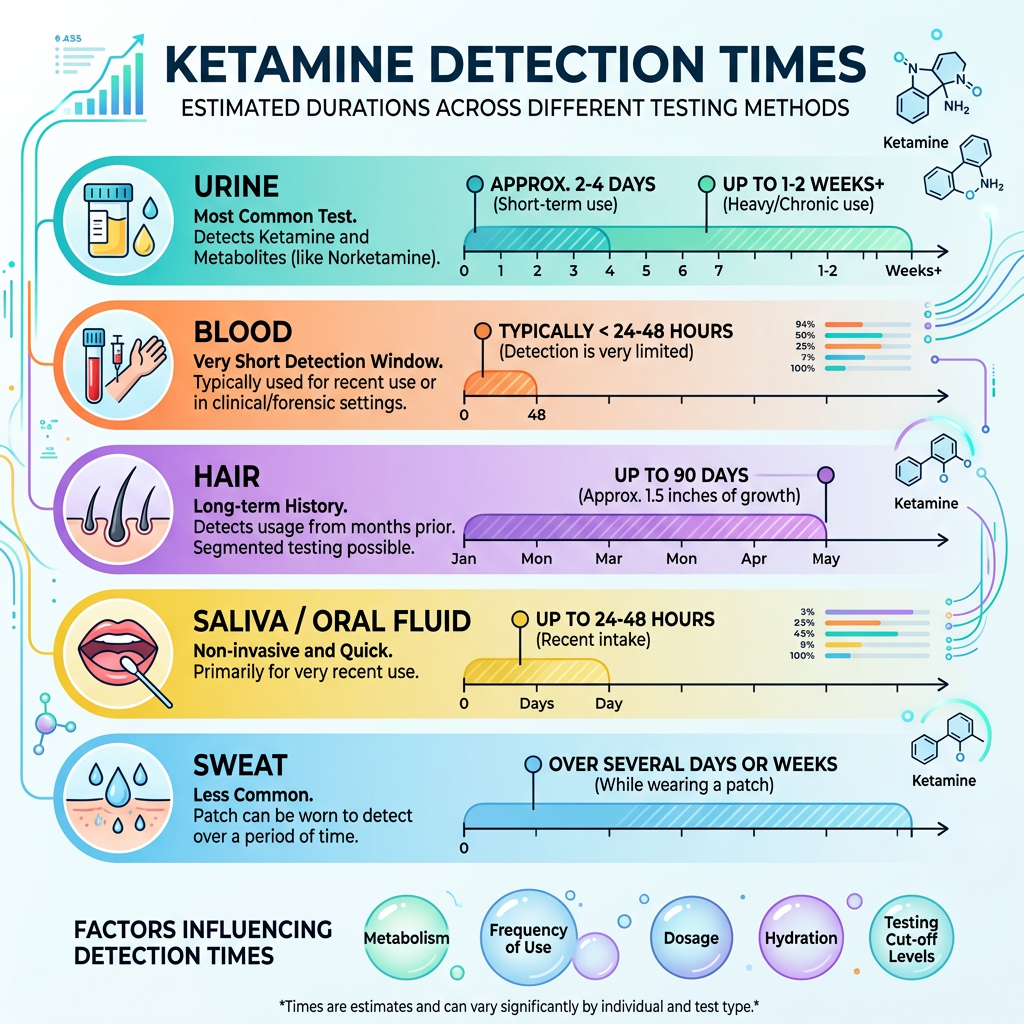
How long does Ketamine stay in your system?
How long does Ketamine stay in your system? As an experienced addictions clinician with over thirty years experience my question to that is: Why do you need to know? Is it because you are worried it will show up in a drug screen at work? Are you worried about being drug tested by the police…
Grace Kennedy
12:23 pm, July 2, 2026
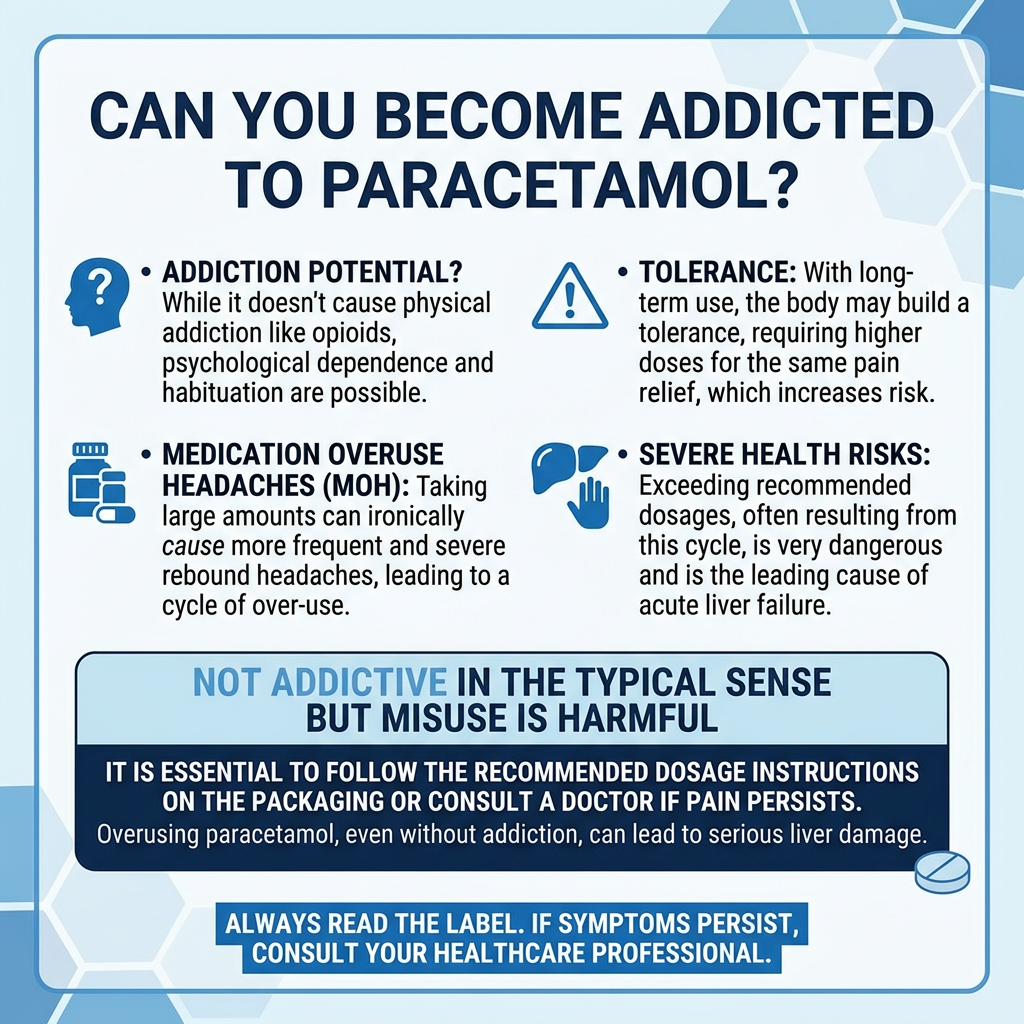
Can you become addicted to Paracetamol?
Can you become addicted to Paracetamol? No. Well not it in the same way you become addicted to heroin or alcohol as the way it affects the brain is different. That doesn't mean that some people are not addicted to taking it in the way that they take it, repeatedly. How does Paracetamol work? The…
Grace Kennedy
6:08 pm, June 26, 2026
Can you do a Methadone detox at home?
Can you do a Methadone detox at home? In theory: Yes. In practice: No. It is a nice idea that you can stay at home, take some methadone and your opioid use disorder is cured. Sadly it just doesn't work like that. In order to understand why this won't work you need to know what…
Grace Kennedy
6:49 pm, June 25, 2026