
Who Needs Detox? Myths and Realities Explained
January 29, 2026
12:19 pm

Table of contents
Introduction
What is a detox and who needs it?
A two part answer:
- A course of medication enables a safe withdrawal from alcohol and drugs. This prevents a medical emergency, which can lead to fatality.
- Not everyone! Indeed, a lot of people in rehab don’t need one. Also, if you have one when you don’t need it, it is dangerous.
What Is A Medical Detox?
What it isn’t is “flushing toxins” out of your body.
Going “cold turkey” isn’t a detox.
In rehab an experienced addictions clinician will draw up a treatment plan and prescribe the right medication.
Don’t even think of buying pills over the internet. Not only will you pay nearly £2,000 for £20 worth of medication, but you won’t know what to do. Additionally, the medication most certainly, won’t be right.
What is a Detox: The Science of Addiction Detox
Alcohol and drugs, just like prescription medication and caffeine, affect receptors on the brain.
These receptors, due to the presence of the substance , either open or close chemical channels resulting in a change in the flow of naturally occurring bodily chemicals.
When these chemicals are released released in large quantities, or being held back so they don’t travel around the body, are what causes the effects of taking drugs and alcohol.
If you stop taking drugs/alcohol suddenly (or reduce too quickly) the brain will not be able to cope with this immediate change. Incorrect chemical messaging will occur which is what causes the symptoms known as withdrawals.
Tolerance
When you use drugs and alcohol over a period of time, the brain becomes used to their presence. As a result, the brain will alter the way it works.
You will need more and more of the substance to have the same effect as when you first started taking it.
A state, known as Tolerance, develops.
When you are addicted to opioids, for example, you might start off with a prescription from a doctor after surgery or an accident. In time, because of tolerance, you mind find yourself having to source opioids from the internet or worse.

What is a Detox: How Does Detox Work?
A medical detox uses medication that mimics the effects of the drugs and alcohol you have had problems with. They work on the same receptors. In replacing the drugs/alcohol with a medicine, once the person is settled, the dose is carefully reduced.
Without a detox, an acute medical emergency can occur.
Withdrawal from drugs and alcohol can be fatal, especially with alcohol and benzodiazepines.
Opioid withdrawal is not safe without medical intervention. Forget what you see on television and in movies. Locking yourself in a room with some water, a bucket and some toilet roll is not going to work. You can die from dehydration.
Willpower
Detoxing from drugs and alcohol is about science: It has nothing to do with willpower.
Being physically fit, going to the gym every day is good for your health but will make absolutely no difference.
The brain is a very complex organ. While science and research evolves the basics of detox remain the same.
Who Needs A Detox?
Not everyone!
It is a myth that everyone who goes into rehab needs a detox.
When you are not drinking daily or the drug you are addicted to is very short acting, not only do you not need one, but it would be very dangerous to have one.
Detox medication replaces drugs and alcohol that was sat on receptors and mimics their actions. If you take detox medication when you don’t need it you may end up unconscious, in a coma: or worse.
Key Takeaways
- A detox uses medication to safely withdraw from drugs and alcohol, preventing medical emergencies.
- Not everyone needs a detox; incorrect use of detox can be dangerous and lead to severe outcomes.
- A medical detox mimics the effects of substances on the brain’s receptors and requires professional oversight.
- Detoxing relies on science, not willpower; proper assessment by an addictions clinician is essential.
- Free, confidential advice is available from experienced addictions clinicians to help determine your needs.
Adjunctive Medication
Some substances don’t require a detox due to the way the drug works. However, simply stopping some of these would be very dangerous.
In these situations adjunctive medication is used.
For example, Ketamine and GHB/GBL would be extremely dangerous to just stop using. Benzodiazepines and beta blockers, together with cyclopyrrolones are prescribed to avoid a medical emergency.
This course of medication is often used on an “as and when” basis and is usually only needed for a few days but is vital.

How Will I Know If I Need a Detox?
Addiction is a very serious illness and with any such condition you need to be seen by a specialist.
An addictions clinician, when you arrive , will assess you and draw up a treatment plan.
They will have your pre-admission assessment information as well as baseline observations taken by nursing staff on arrival.
Within the field of addiction there are some internationally recognised rating scales that are used to monitor someone undergoing a detox.
If you are seeking treatment for alcohol addiction the staff will use a breathalyser to determine the amount of alcohol in your blood. This is because it would be unsafe to start medication until your blood alcohol levels drops to a certain point.
What is a Detox: Can I Get Free Advice From an Addictions Clinician?
Yes.
You are welcome to call and speak to one of our experienced addictions clinicians for free and confidential advice.
They can advise you on what you need: and what you don’t.
We only signpost to legally registered centres.
Our service is registered with the Information Commissioner’s Office.
Getting help
Call, live chat or email one of our experienced addictions clinicians on any aspect of addiction, detox, rehab, home treatment, therapy, relapse prevention and aftercare.
Our clinicians can discuss treatment plans, treatment options, locations and logistics.
Need help finding the right rehab for you or a loved one? Get in touch today and take the first step toward recovery.
Speak to usRecent Posts
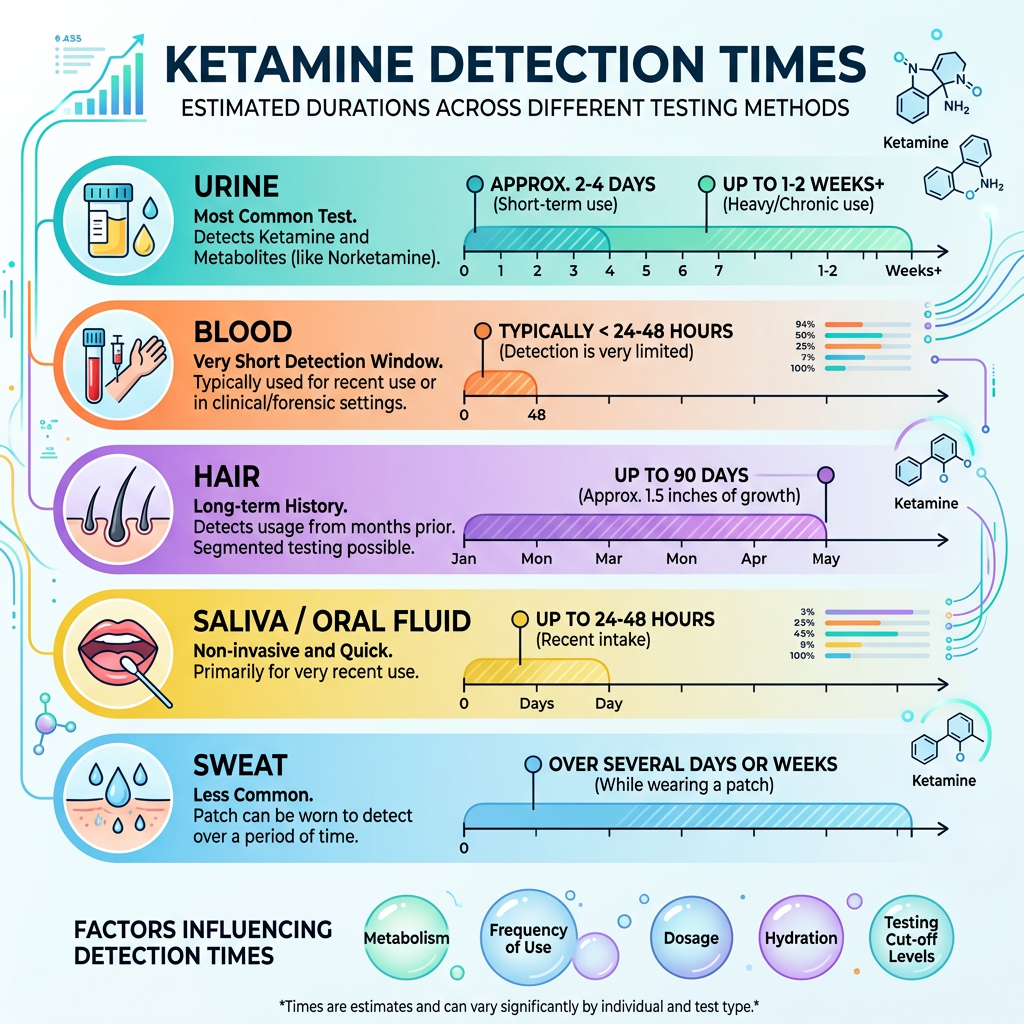
How long does Ketamine stay in your system?
How long does Ketamine stay in your system? As an experienced addictions clinician with over thirty years experience my question to that is: Why do you need to know? Is it because you are worried it will show up in a drug screen at work? Are you worried about being drug tested by the police…
Grace Kennedy
12:23 pm, July 2, 2026
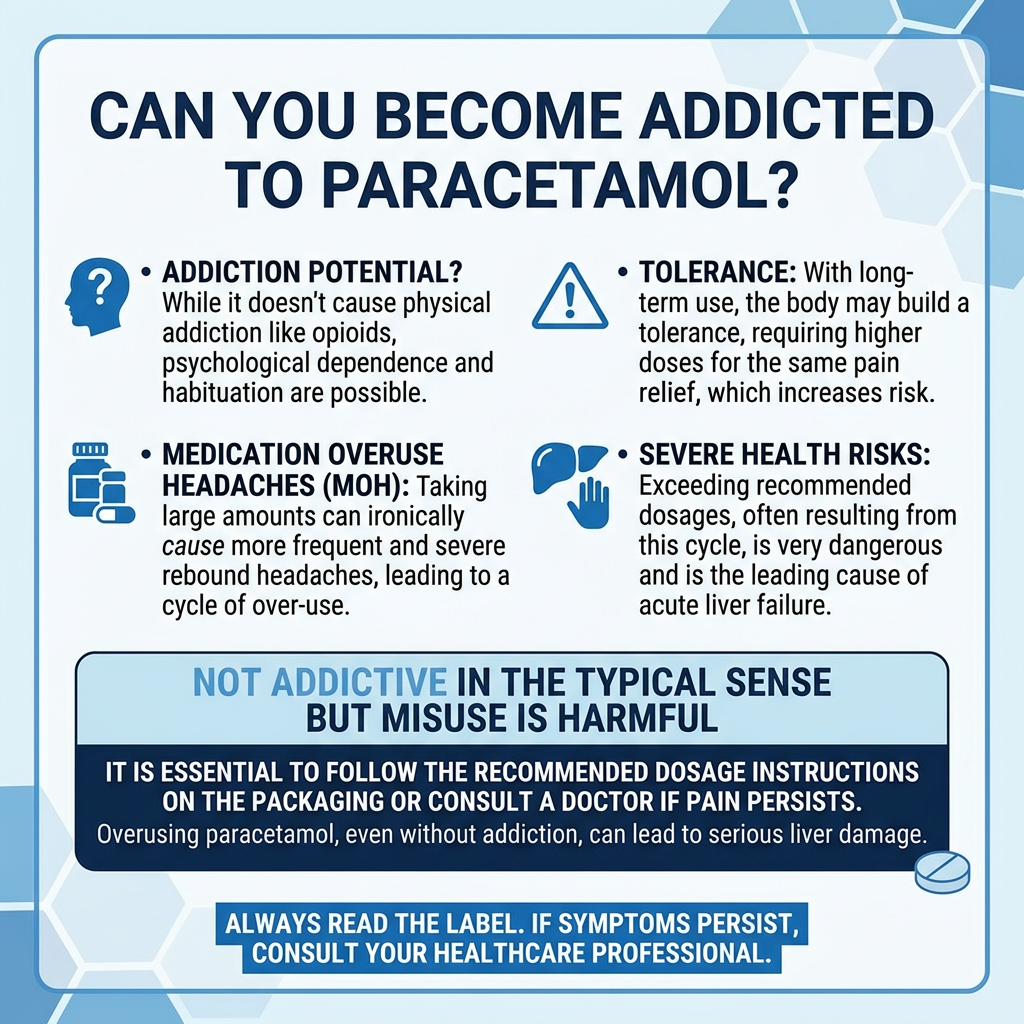
Can you become addicted to Paracetamol?
Can you become addicted to Paracetamol? No. Well not it in the same way you become addicted to heroin or alcohol as the way it affects the brain is different. That doesn't mean that some people are not addicted to taking it in the way that they take it, repeatedly. How does Paracetamol work? The…
Grace Kennedy
6:08 pm, June 26, 2026
Can you do a Methadone detox at home?
Can you do a Methadone detox at home? In theory: Yes. In practice: No. It is a nice idea that you can stay at home, take some methadone and your opioid use disorder is cured. Sadly it just doesn't work like that. In order to understand why this won't work you need to know what…
Grace Kennedy
6:49 pm, June 25, 2026