
Understanding Habit, Abuse, and Addiction
December 20, 2025
9:30 pm
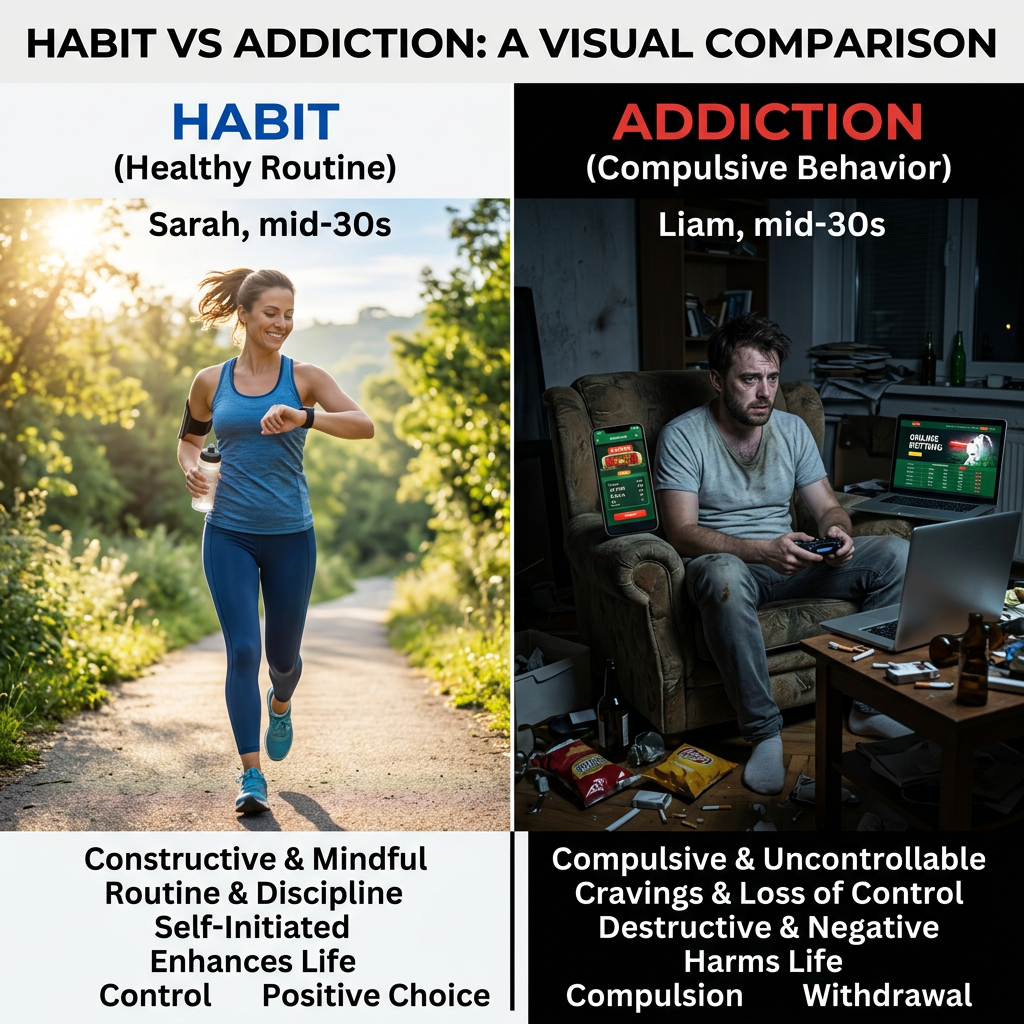
Table of contents
Introduction
Difference between habit abuse addiction. Sounds complicated?
It doesn’t need to be.
There are no hard and fast rules. These are not legal definitions!
This article explores the use of different words to describe drug, alcohol and behavioural addictions.
Words have different meanings to different people.
There is no right or wrong description though there is some common usage within the field of addiction treatment.
Our expert addictions clinicians have put together some information to help you understand the nature of addiction, how it can be treated and the way forward.
Habit, abuse, addiction
Drug habit, drug abuse, drug addiction: All phrases our experienced addictions clinicians hear: Daily.
By dictionary definition these words have different meanings. In reality: They don’t.
Families, loved ones, relatives, work colleagues, and employers will try and rationalize the situation. By using different phrases it helps them to put the problem in a box and better understand the varying difference between habit abuse addiction.
However you describe someone’s drug and alcohol use, it shows that you have recognized that there is a problem. Recognizing that there is no difference between habit, abuse and addiction can guide more effective support.
Habits
We all have them, though we might not always recognize that we do.
A habit is an involuntary behavior that has developed over time.
Your morning cup of tea, watching a TV soap opera, arranging ornaments in a certain way after dusting: These are all habits.
A habit, such as one of these, is something you have control over. It might be a little uncomfortable to take yourself away from doing it, but you have control.
When you develop a habit with drugs and alcohol, you alter your brain chemistry and stopping is not a matter of willpower but a matter of science. This is one key difference between habit abuse addiction.
Drugs, Alcohol and Brain Chemistry
Drugs affect the brain. There would not be much point taking them if they didn’t!
Prescribed medication and even your morning coffee with its extra shot of caffeine, receptors on your brain are activated.
When you take drugs and consume alcohol, chemical channels are either opened up or closed down (or partially opened or closed). This causes changes in the body.
After a time your brain becomes used to the presence of drugs and alcohol. This familiarity is one difference in habit abuse addiction, and is a worrying sign of a serious problem.
Tolerance and Dependency
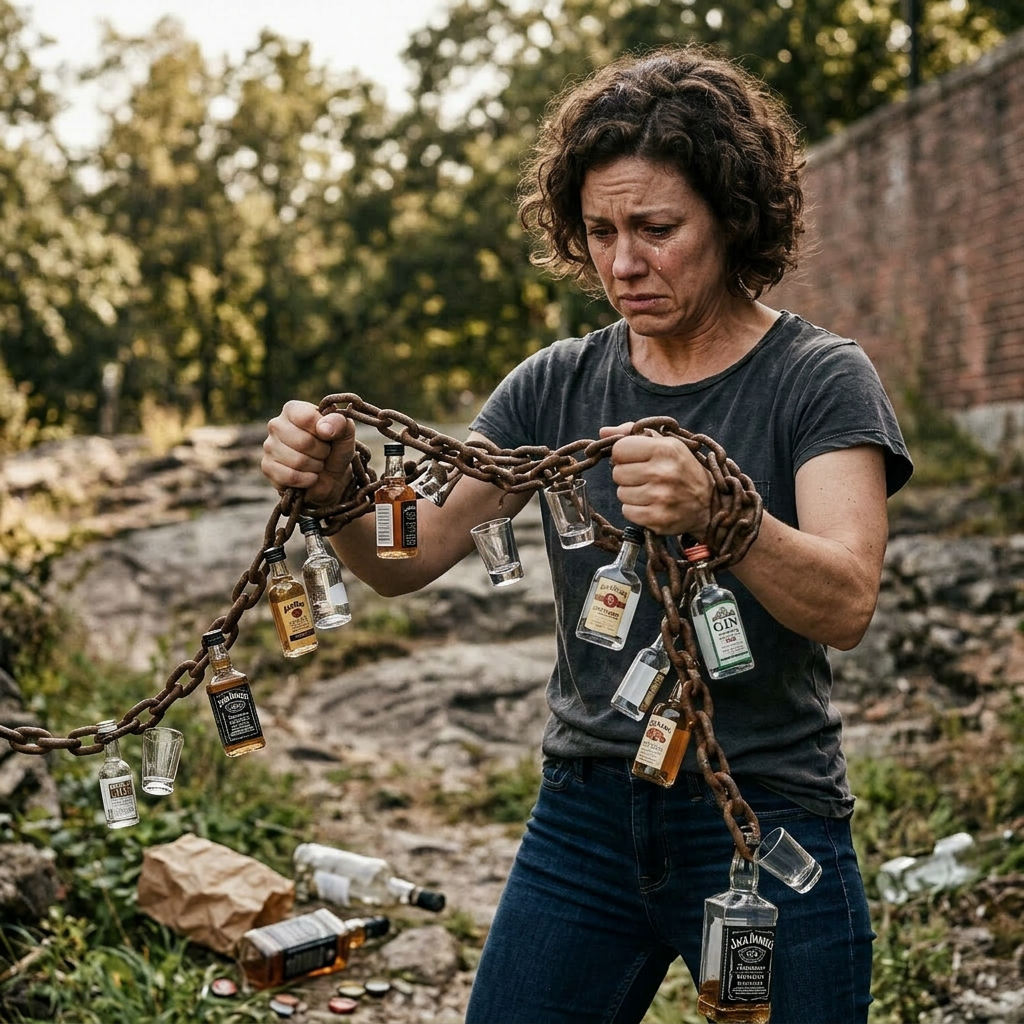
When your brain develops tolerance it means you need more of the substance to have the same effect as the amount you started to take.
The other problem is that once you reach a state of tolerance, if you stop taking drugs/alcohol your brain will not be able to cope with the immediate change.
Incorrect chemical messaging starts to occur. It is this that causes signs and symptoms known as withdrawal.
Often the word withdrawal is a bit of a misnomer. For example, the amount of time heroin lasts in the body is nowhere near the amount of time you will experience symptoms of withdrawal. This disparity highlights the difference between habit abuse addiction.
Is There A Definition For Addiction?
Within the addiction field, it is generally accepted that addiction is a serious illness characterized by compulsive drug-seeking behavior. This occurs even when the person knows what they are doing is dangerous.
Addiction is a brain disorder. Recovery is nothing to do with willpower.
In the early stages, someone may have control over their use. However, after a time, due to changes in brain chemistry, self-control is no longer possible, illustrating the difference between habit abuse addiction.
Some people, due to their genetics, are more able to stop in the early stages of addiction.
Effective Recovery From Addiction
Our experienced addictions clinicians are clear that there are four elements to successful recovery:
- Detox
- Therapy
- Relapse prevention
- Aftercare
Detox
Stopping drugs or alcohol suddenly can be dangerous. Your brain simply won’t be able to cope with the changes. Left untreated, withdrawal can be fatal.
Films and TV drams depict people locking themselves in a room with a bucket, toilet roll and bottles of water: Don’t try it. At best you will become ill, at worst you will not be leaving the room again.
For an alcohol detox, medication that mimics the effects on receptors is given in reducing dosages over a period of days or weeks. Similarly for heroinn addiction.
Some drug addiction detox is done using adjunctive medication that reduces signs and symptoms of withdrawal.
Without a detox your brain simply wouldn’t respond to the therapy needed.
Therapy
Addiction is not a choice: It is a very serious illness with a high mortality rate.
Why do people start using? That is precisely what therapy in rehab is all about. It could be unresolved childhood trauma, PTSD or other untreated mental health issues.
Until you deal with these issues, recovery is not possible.
Every centre in the world uses a group therapy model. Why? Because it works. 12 STEP/SMART/eclectic, it really doesn’t matter which model is used. Weekly individual sessions are also offered.
Individual therapy sessions are very tiring so they are restricted to once a week.
Key Takeaways
- This article explores the difference between habit abuse addiction, helping readers understand their nature and treatment.
- Families and loved ones often use different terms to rationalize addiction when, in reality, these phrases indicate serious issues.
- Addiction alters brain chemistry, leading to tolerance and withdrawal, showcasing the critical difference between habit abuse addiction.
- Effective recovery involves detox, therapy, relapse prevention, and aftercare, emphasizing that addiction is a serious illness.
- Find Me a Rehab offers confidential support and referrals without any financial interest in treatment centers.

Relapse Prevention
Alcohol is available everywhere: Corner shops, supermarkets and off licences. It is often said that an alcoholic could find a pub on the moon. Drugs are also readily available. In cities it is quicker to get drugs delivered to your home than a pizza.
Rehab is a safe space where there are clinicians, therapists and support staff. In the middle of the night, if you are experiencing cravings, support is seconds away. Back at home: You are on your own.
Relapse prevention is about acquiring skills that will equip for your situations where other people are using, where people want you to use or when you feel like using.
Relapse happens. It doesn’t happen to everyone but it doesn’t need to be catastrophic. If you know how to get yourself out a tricky situation recovery becomes permanent.
Aftercare
Every centre provides a minimum of a years aftercare to every client.
Usually, this takes the form of a weekly support group . If you live close enough: in person. Otherwise you can join in by ZOOOM/MSTEAMS.
In addition, there will be a telephone check in service and a number to call if you are struggling.
How Can Find Me a Rehab Help?
We are experienced addictions clinicians.
There is no charge for our advice or for a referral. We neither own any centres or have any financial interest in any.
Our service is strictly confidential. We are registered with the Information Commissioner’s Office and only signpost to centres registered with the Care Quality Commission (legal requirement).
Difference between habit abuse addiction :Getting help
Addiction can be overcome with the right help.
Call and speak with an experienced addictions clinician on any aspect of addiction, detox, rehab, therapy, relapse prevention and aftercare.
We do not charge for advice or referrals.
Our experienced addictions clinicians can advise you on treatment options, locations, costings and availability.
Need help finding the right rehab for you or a loved one? Get in touch today and take the first step toward recovery.
Speak to usRecent Posts
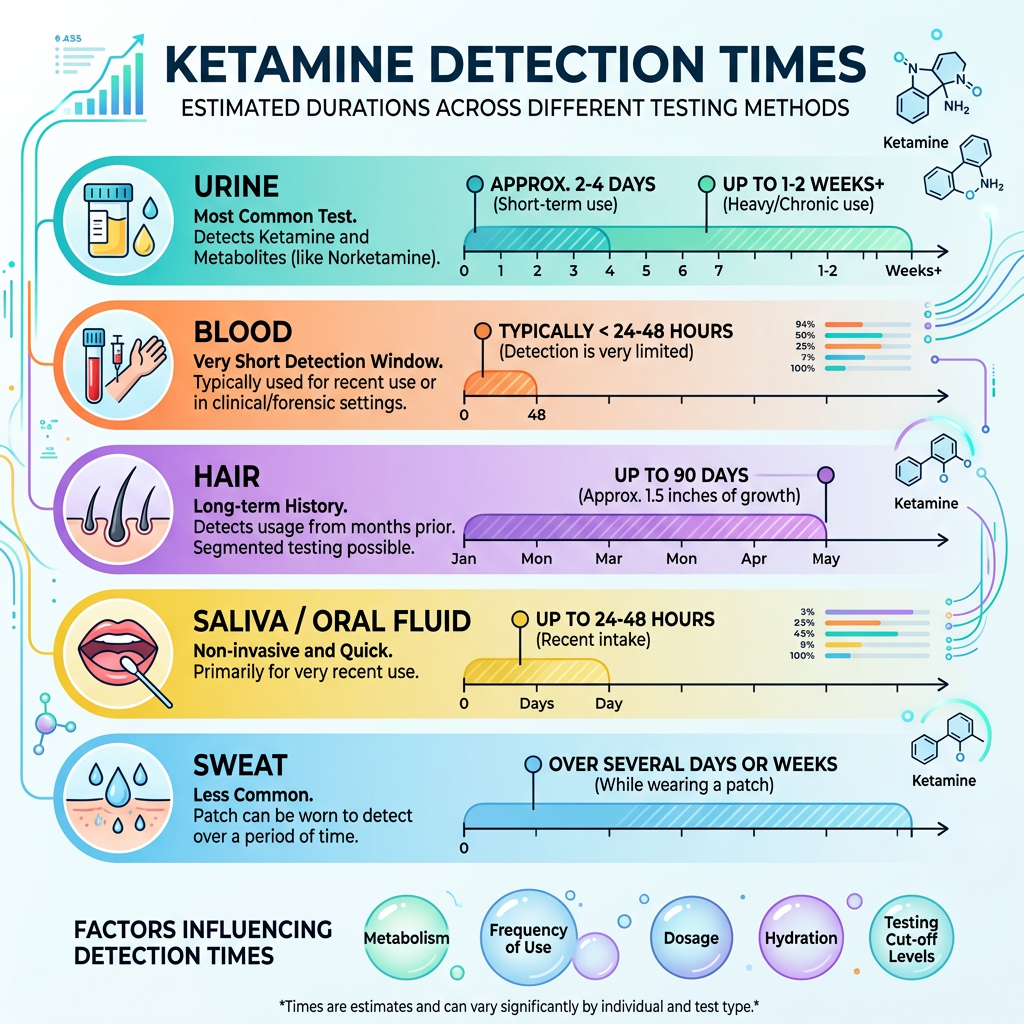
How long does Ketamine stay in your system?
How long does Ketamine stay in your system? As an experienced addictions clinician with over thirty years experience my question to that is: Why do you need to know? Is it because you are worried it will show up in a drug screen at work? Are you worried about being drug tested by the police…
Grace Kennedy
12:23 pm, July 2, 2026
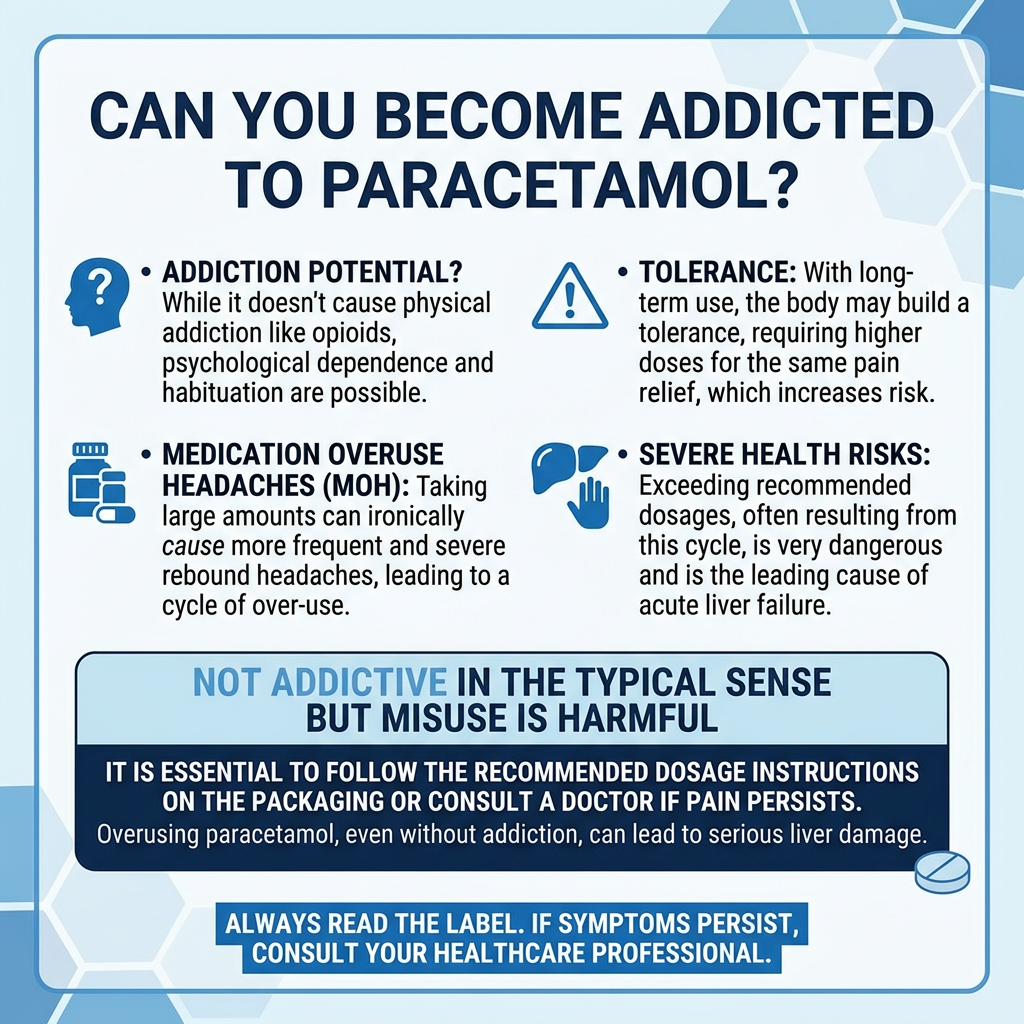
Can you become addicted to Paracetamol?
Can you become addicted to Paracetamol? No. Well not it in the same way you become addicted to heroin or alcohol as the way it affects the brain is different. That doesn't mean that some people are not addicted to taking it in the way that they take it, repeatedly. How does Paracetamol work? The…
Grace Kennedy
6:08 pm, June 26, 2026
Can you do a Methadone detox at home?
Can you do a Methadone detox at home? In theory: Yes. In practice: No. It is a nice idea that you can stay at home, take some methadone and your opioid use disorder is cured. Sadly it just doesn't work like that. In order to understand why this won't work you need to know what…
Grace Kennedy
6:49 pm, June 25, 2026